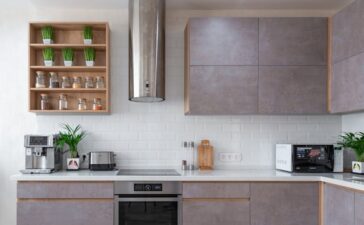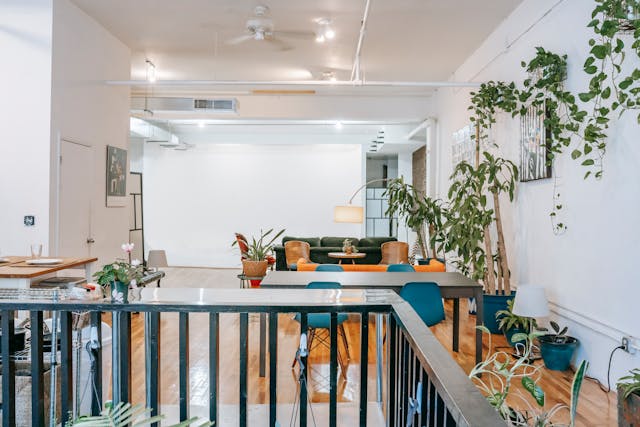
Indoor plants have become a defining feature of contemporary Australian homes. From compact inner-city apartments to sprawling coastal houses, greenery brings warmth, texture and a sense of calm that few other styling elements can achieve. But there’s a fine line between thoughtfully curated and unintentionally cluttered. Knowing how to style indoor plants without overcrowding your space is what separates a serene sanctuary from a leafy jungle that feels chaotic.
In recent years, plant lovers have embraced everything from sculptural fiddle leaf figs to trailing pothos and hardy snake plants. While it’s tempting to collect them all, successful styling requires intention. Brands like Hello Botanical have helped Australians reimagine indoor greenery not just as décor, but as part of a cohesive design story. The key is balance.
Here’s how to incorporate indoor plants beautifully—without sacrificing space, light or visual clarity.
Start With a Clear Styling Vision
Before adding another pot to your cart, pause and assess your space.Ask yourself:
- Is the room minimal and modern, or layered and eclectic?
- Do you want plants to be a subtle accent or the hero feature?
- How much natural light does the room genuinely receive?
Overcrowding often happens when plants are purchased individually without a broader plan. Instead, treat greenery as you would artwork or furniture—strategically placed, proportionate and purposeful.If you live in a smaller apartment, for example, one statement plant can have far more impact than six smaller pots competing for attention.
Prioritise Quality Over Quantity
When it comes to indoor plant styling, restraint is powerful. A single, well-positioned monstera in a beautiful ceramic pot can elevate an entire room. On the other hand, too many small plants scattered across surfaces can make even a spacious room feel cramped.Focus on:
- One large statement plant per key zone
- A complementary secondary plant for balance
- Leaving negative space around each plant
Negative space is crucial. Plants need breathing room visually, just as much as they do physically. If every shelf, side table and windowsill is filled, the eye has nowhere to rest.
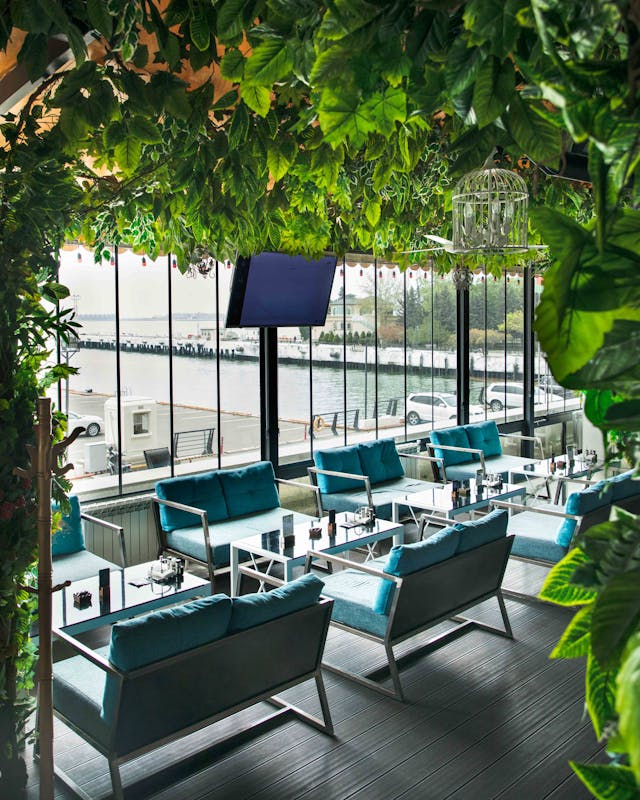
Use Vertical Space Strategically
One of the smartest ways to style indoor plants without overcrowding your space is to think vertically.Instead of clustering pots on the floor:
- Use wall-mounted planters
- Install floating shelves
- Add a tall, narrow plant stand
- Hang trailing plants from the ceiling
Vertical styling draws the eye upward, creating the illusion of height and openness. It also frees up valuable floor space—particularly important in apartments or smaller living areas.Trailing plants like devil’s ivy or string of pearls work beautifully in elevated positions, adding softness without bulk.
Consider Scale and Proportion
A common styling mistake is mismatched proportions. Tiny plants in oversized rooms can look insignificant, while large plants in tight corners can feel suffocating.Here’s a simple rule of thumb:
- Large room = large foliage
- Compact room = slim, upright plants
- Narrow spaces = vertical growth patterns
Snake plants, rubber plants and fiddle leaf figs are excellent for corners because they grow upward rather than outward. Meanwhile, low-profile plants like calatheas or peace lilies suit coffee tables and consoles without dominating them.Always ensure at least 20–30 centimetres of clear space around each plant so the arrangement feels intentional rather than crowded.
Group With Intention (Not Excess)
Grouping plants can create visual impact—but only when done thoughtfully.Instead of scattering pots randomly, create curated clusters:
- Use three plants of varying heights
- Keep pots within a similar colour palette
- Maintain consistent spacing between each piece
Odd-number groupings often feel more natural. However, resist the urge to keep adding “just one more.” If a cluster starts to feel busy, remove one element and reassess.Less truly is more.
Coordinate Pots and Planters
Overcrowding isn’t always about the plants themselves—it can be about the visual noise of mismatched containers.If every plant has a different colour, texture and pattern, the room may feel cluttered even if the quantity is reasonable.To maintain cohesion:
- Stick to two or three complementary tones
- Choose materials that match your interior style (ceramic, concrete, woven baskets)
- Keep similar shapes grouped together
Neutral planters often allow foliage to shine without overwhelming the room.
Use Plants to Define Zones
In open-plan Australian homes, plants can act as natural dividers without the heaviness of walls or furniture.For example:
- A tall plant beside a sofa can define the living zone
- A narrow plant stand can subtly separate dining and lounge areas
- A row of identical pots can frame an entryway
This approach uses greenery as structure rather than clutter. Instead of filling empty corners randomly, each plant serves a purpose.
Don’t Forget Light and Airflow
Plants that struggle due to poor lighting or cramped placement quickly become untidy—drooping leaves, yellowing foliage and inconsistent growth all contribute to visual chaos.Ensure each plant:
- Has appropriate natural light
- Isn’t wedged tightly between furniture
- Has space for air circulation
Healthy plants automatically look more refined and styled.
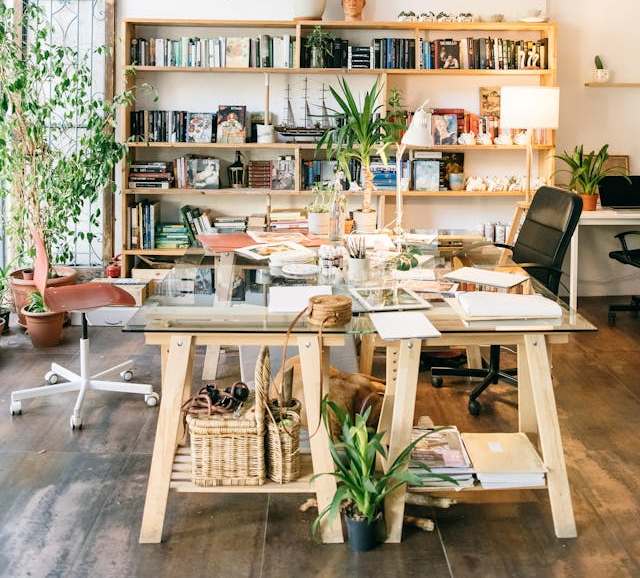
Edit Regularly
One of the simplest styling secrets? Editing.Just as wardrobes and bookshelves need occasional decluttering, so do plant collections. If a room starts to feel busy:
- Rotate some plants to another room
- Gift or rehome duplicates
- Remove struggling plants
Styling is an ongoing process, not a one-time setup.
Embrace Simplicity
At its core, styling indoor plants without overcrowding your space comes down to intentionality. Choose plants that suit your light and lifestyle. Give them space to shine. Use vertical height to your advantage. And most importantly, allow negative space to play its role.
Indoor greenery should enhance your home, not compete with it. When thoughtfully arranged, plants bring calm, character and connection to nature—without compromising the openness and clarity of your interior.In the end, it’s not about how many plants you own. It’s about how beautifully you let them breathe.