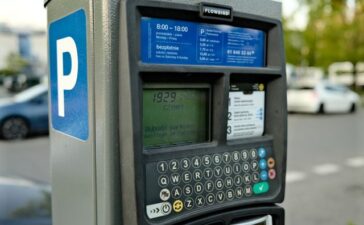
For decades, the physical ticket has been the heart of vehicle management, and it’s always been a bit of a patchy system. Someone puts a barrier up, a piece of paper comes out, and somewhere between getting in and getting out you hope someone is paying attention and the rest of the system just magically works. That model used to be okay in a world where we didn’t have a lot of other options. But these days, the alternative options are a lot more plentiful, and the gap between what ticketed car parks cost to keep running and what camera-based vehicle identification gives you instead is getting pretty big, so the conversation has shifted from “Should we even think about this?” to “How long is it going to take us to get rid of this old stuff?”
Why Has the Old Model Run Its Course?
Ticketed parking systems were designed for a completely different set of assumptions about how things were supposed to work, and now that we can see the costs more clearly, we can see how silly some of it is. Lost tickets, faulty equipment, replacing all the consumables and dealing with queues at the barriers, all those little niggles add up into a big overhead for a site over its lifetime. Each barrier gate is a single point of failure, not just once, but multiple times a day, every day. For operators with loads of sites to manage, the hassle of keeping all the ticket machines running is a distraction from actually doing what the car park is for. It’s what sensordynamics.com.au has been helping Australian operators move away from. And the equipment doesn’t fail neatly, and the cost of keeping it running just keeps racking up, until you get the big bill at the end of the year.
What Licence Plate Recognition Actually Makes Possible?
Camera-based licence plate recognition, also known as ANPR, isn’t just a newfangled way of doing the same old thing. It’s a whole new way of doing the whole thing. A car comes in, identifies itself on a plate, gets access, gets tracked, gets checked against a permit database, gets flagged for overstay, all without needing any tickets, any barriers, or any humans to intervene at the checkout. For car park operators, that means no more barriers as single points of failure, and a system that just keeps on working even when bits of it need fixing.
The same bit of tech that lets a car get in can also spit out loads of useful data on how often people visit at peak times, how long they park for, and where they come from. And that information is gold dust for making pricing decisions, deciding how many staff to have on duty, and figuring out how much capacity you need. For operators stuck on the old ticket system, it’s a whole new world of possibilities.
How Road Managers Are Using Vehicle Classification Data
The data demands of the governing bodies for roads have never been restricted only to vehicle counts per day. For instance, Transport for NSW open data system registers more than hundreds of thousands of heavy vehicles in New South Wales, and it is an infrastructure issue to see how many of those vehicles use which route and configuration, whether there are specific configurations used in specific routes, and how often some routes transport heavy loads exceeding the design capacity of the infrastructure. Portable traffic detection units are able to investigate specific road corridors without the need for a fixed structure, turning it into an operational issue and not an infrastructure issue. The identification and classification of heavy vehicles are critical for infrastructure because it is related to road wear and loading of bridges, and freight compliance in regional corridors.
What Airport and High-Security Sites Require That Standard Systems Cannot Provide?
Airports and facilities such as military installations require vehicle identification to meet specific safety needs. Anti-tailgating systems are required to ensure that another vehicle does not enter the facility on the basis of authorisation provided for the first vehicle. The connection between vehicle identification and access control systems ensures that security officers can identify the correlation between vehicle movements and other actions, providing information for decision-making. Multi-storey car parks may have the guidance system based on the registration of the licence plates, which will enable returning drivers to easily find their cars. It will help to reduce congestion in places where drivers are confused by car parks during the peak period.

What Organisations Are Learning From the Data?
Vehicle identification systems provide valuable data, not only transactional data. A car park with three years of data on plate registration will provide valuable information regarding usage patterns for different times of day, seasons and other events, helping to form prices, staffing, and facility planning and expansion. Retailers who use vehicle identification technology in car parks can correlate the dwell time of people in car parks with the sales statistics. The road authorities can get precise data on vehicle configuration and use it to form the model of infrastructure wear with much better accuracy than is possible using periodic manual counts. The issue is not whether to use it anymore but how to use all the data that it provides.