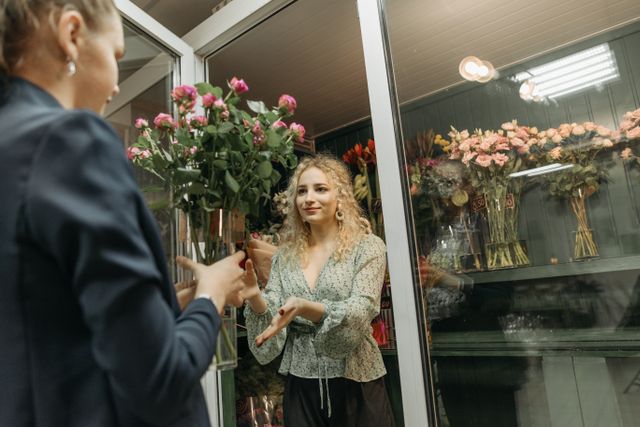
Floral stems entering Australia as imports are only allowed to do so if they have been found not to harbour any pest species, according to Department of Agriculture regulations. But the majority of stems in a Melbournian bouquet will never be screened, since they grow within the country. In any case, all bunches on a florist’s workbench have travelled farther and been handled with greater care than people realise. Regardless of whether the order goes out to a florist in Camberwell, Melbourne, or elsewhere within the city, the process is much the same.
A Bouquet Travels Before Daybreak
Floral purchasing takes place well before daybreak, in brightened warehouses where florists, such as Camberwell Florist, Melbourne, assess the quality of stems through touch and scent, checking on their firmness, colour, and the clean scent of a freshly cut stem. Most of the blooms are supplied by local producers, and many of the florists have built long-lasting relationships with such suppliers. To ensure freshness, rapid transport and good cooling are vital already at the first bucket stage, and a selected bouquet can be packaged and delivered to a client within the same day.
Imported, Seasonal, Locally Grown: Where Do Flowers Actually Come From?
Such flowers as peonies, tulips and many others have very short natural seasons, which accounts for abrupt fluctuations in prices and availability of certain floral types. Imported stems cover some of those months, coming under strict conditions for importation. Foreign growers have to comply with specific standards in order to ship their products, and biosecurity officials check their paperwork and screen the consignments upon arrival. Only stems declared pest-free can be put up for sale. The locally grown blooms go without this screening procedure, yet their availability varies with the season. Inquiring a florist about seasonally available flowers is usually the best option for making a bouquet.
The Craft Behind the Arrangement
A posy, a front-facing bouquet and a vase arrangement each solve a different problem. Posies suit small hands and small tables, while front-facing bouquets are designed to be admired from one side. Vase arrangements arrive ready to display, which helps when the recipient is in hospital or away from home. Colour palettes carry mood: soft pastels feel gentle, neutrals feel calm, and vibrant mixes shout celebration.
Texture matters as much as colour, with foliage, berries and seed pods adding depth. Natives such as banksia and kangaroo paw bring a distinctly Australian character, and many dry beautifully. Proportion holds the whole piece together, since a tall vase with short stems looks as awkward as it sounds.
Flowers for Hard Moments
Sympathy flowers usually call for restraint, often in whites, creams and soft greens. Get-well bouquets can lean brighter, though strongly scented blooms may overwhelm a small hospital room. Some wards limit flowers altogether, so a quick call to the hospital can prevent a wasted delivery. Pet owners need extra care, because lilies are highly toxic to cats, including their pollen and vase water. A card message can matter as much as any stem, and short, honest lines usually work best. Simple words, such as thinking of you, avoid forced cheer at a painful time.
Delivery, Timing and the Last Mile
Same-day delivery seems easy until traffic, parking and an unlocked front door get in the way. Ordering ahead provides time to construct, inspect and dispatch before the day is through. Some florists offer pictures of the arrangement to the sender; a small but comforting gesture. Correct addresses, phone numbers and notes on delivery make sure that most deliveries go through without a problem. Deliveries to offices require names and floor information; the reception area does not usually guess. Flowers delivered to an empty house need to stay in a cool, shaded place or the delivery must be rearranged.
How to Make Flowers Last Longer?
The vase life of flowers depends on the type of flower, their freshness and how well they are cared for. Most bouquets survive between five and seven days. Some will last longer when they are properly looked after. Trimming the stem at an angle using scissors, and removing any leaves under the water line, helps them survive better. Clean vases are important because bacteria clog up the stems and shorten vase life. The vase needs to be changed every other day and the stem trimmed.
Heat is the main danger, so a sunny windowsill or being near a heater will cause the flowers to die sooner. Fruits produce ethylene gas, which can reduce the vase life of flowers like carnations. Keeping the fruit basket away from the vase is simple, and though most flowers will do fine, it is a good idea. Early removal of dead flowers keeps the other flowers looking nice.
Budgeting Without Forgetting About the Feeling
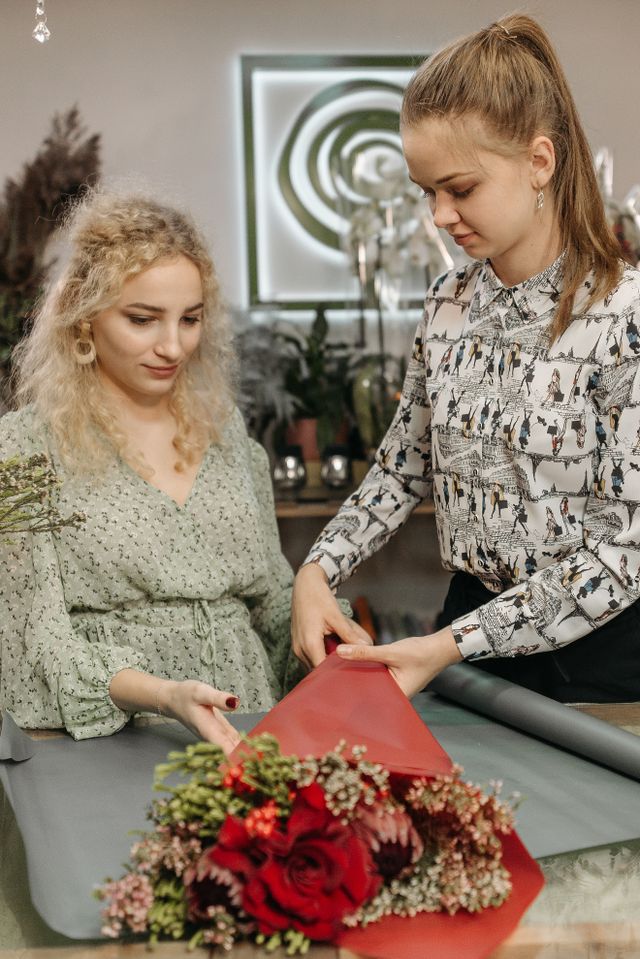
Price is no indicator of love and a thoughtful posy is often worth more than a huge one that did not have any thought put into it. Seasonal flowers tend to be cheaper because that is when they are at their peak. Greenery and foliage help stretch an already tight budget and provide shape. Budgets and occasions should be discussed together so that the florist can work accordingly. Flowers are still one of the few things that fade elegantly, leaving only memories behind.