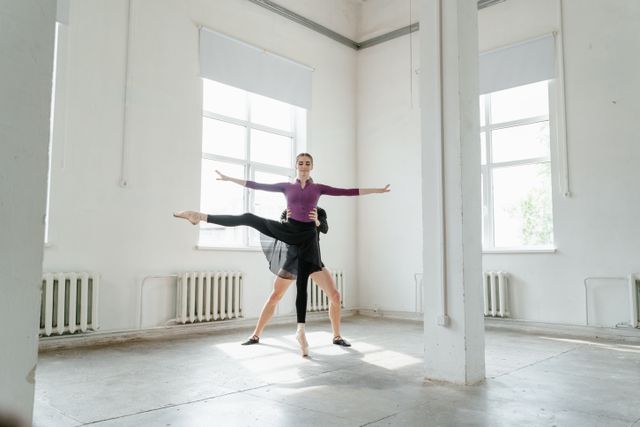
And there is a place for dance in the national survey conducted by the Australian Sports Commission known as AusPlay, which studies the ways Australians exercise. As for the 2024-25 edition, released in November 2025, it includes activity participation reports for recreational dance and dancesport. In the same 2024-25 release, Pilates was reported as one of the fastest-growing activities among adult Australians, which could be of good use for dancers participating in cross-training. Nevertheless, choosing a Melbourne dance studio turns into quite a different task when dance becomes a career pursuit.
When Dancing for Fun Becomes Something More?
For the vast majority of people, dancing is a way of having fun, keeping fit and making friends, and this is definitely a great reason to start dancing lessons. However, some dancers begin to seek more from a Melbourne dance studio: more hours spent on practising, improved techniques and a future in the field.
This difference plays an important role, influencing all the following decisions.
Recreational, Part-Time or Full-Time
Dance training in Melbourne may be divided into three general levels:
- The signs of readiness of the dancer to proceed to a higher level become obvious pretty soon: dancers practise independently, request feedback and cope with any difficulties quickly. Usually, teachers notice it earlier than parents do.
- However, it is quite difficult to combine study or work with dance. Some students manage to finish secondary school and then go to a full-time course; others choose part-time learning with intensive courses.
Qualifications That Matter Across the Country
Australia’s vocational dance training system includes national qualifications in dance and musical theatre that are recognised everywhere. Certificate and diploma courses provide structured training that sticks to industry standards.
But accredited programs differ from studio-only classes in a few really important ways. They follow units that are assessed, track your progress in a formal way, and can make a big difference to your future study plans or career. Studio-only programs can still give you top-notch coaching, but without the formal recognition.
Prospective students should be asking the right questions straight away:
Auditions That Don’t Have to Be So Scary
People say the word ‘audition’ sounds a bit intimidating, but the reality is often a lot more relaxed than you’d think. Some studios will even do private auditions for you, while others invite you to join in with a regular class. And if you can’t make it in person, video submissions are a lifesaver for dancers who live in the regions or in different states.
Teachers aren’t expecting to see perfection at this stage; what they want to see is your potential, your attitude and your willingness to learn. A dancer who can take a correction and start using it straight away can impress a lot more than someone with perfect technique who never listens to feedback.
The thing is, preparation is not just about the body; it’s just as much about the mind. Regular classes, getting enough rest and eating right in the weeks beforehand all help. And when you get to the audition itself, arriving a bit early, warming up properly and staying curious and engaged can go a long way.
So What’s Better, a Little Studio or a Big Academy?
Now, the size of the studio really does make a difference to the training experience. A bigger academy might offer more classes to choose from, but you can easily get lost in the crowd. A smaller studio can give you the kind of close attention and mentoring you really need.
But it’s not all about the size; the culture of the place is just as important. If it’s a place where everyone is supportive and encourages each other to take risks, that’s where you’ll grow and develop. But if it’s a place where there’s a lot of competition and rivalry, that can actually be pretty draining.
The best way to get a feel for the place is to visit during a normal training week and see what’s going on. Watch how the teachers correct the students, how the dancers interact with each other and whether the whole vibe of the room feels relaxed and focused or tense and stressful.
Where a Career in Dance Can Take You?
The truth is, a career in dance can open up a lot more doors than you might think. Graduates go on to do musical theatre, TV and film work, commercials, cruise ships and live events. And lots of them go on to teach, passing on their skills to the next generation in local studios.
The thing is, though, a long and successful dance career needs a bit of planning and care. It’s tough on your body, your joints and your mental health, so you need to be looking after yourself properly if you want to make it last. That means taking time to prevent injuries, doing strength work and getting enough rest.
And resilience is just as important as talent. The dance industry is all about auditions, and you can’t avoid rejection if you want to go all the way. But the people who tend to do best are the ones who view each audition as a chance to learn and improve, rather than a verdict on whether they’re good enough.
Choosing the Right Place for You in the Long Run
The right studio can give you the skills, confidence and habits that you need to succeed way beyond your graduation day. But if you choose the wrong place, it can actually be pretty draining.
So take the time to visit a few different studios, maybe do a trial class or two, and get a feel for the place before you make any big decisions.