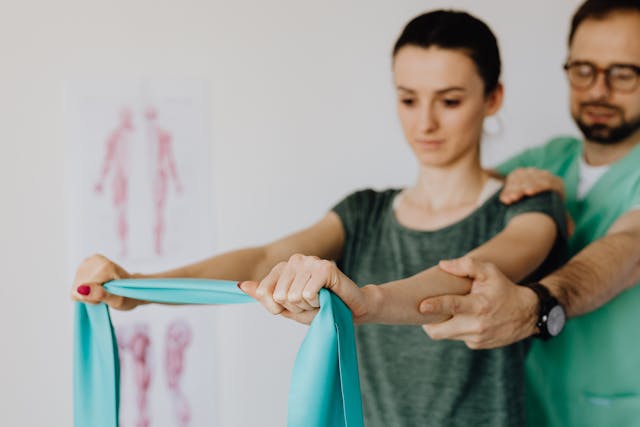
The weeks and months following childbirth are a period of profound change. While much attention is rightly placed on the baby, new mothers often find themselves navigating physical discomfort, fatigue, and the long road back to feeling like themselves again. Post-natal recovery isn’t just about rest — it’s about restoring balance, strength, and mobility throughout the body. This is where osteopathy can play a valuable role.
Many women seek gentle, hands-on care from a qualified osteo near Greensborough to support their recovery, particularly when everyday aches and pains begin to interfere with sleep, feeding, or caring for their newborn.
Understanding the Physical Impact of Pregnancy and Birth
Pregnancy places significant strain on the body. As the baby grows, posture changes, muscles stretch, and joints become more mobile due to hormonal shifts. Labour and delivery — whether vaginal or via caesarean — further challenge the pelvis, spine, abdominal muscles, and pelvic floor.
Common post-natal concerns include:
- Lower back and pelvic pain
- Neck and shoulder tension from feeding and holding baby
- Hip discomfort or instability
- Abdominal muscle separation (diastasis recti)
- Ongoing fatigue and reduced mobility
Left unaddressed, these issues can linger well beyond the early post-partum period.
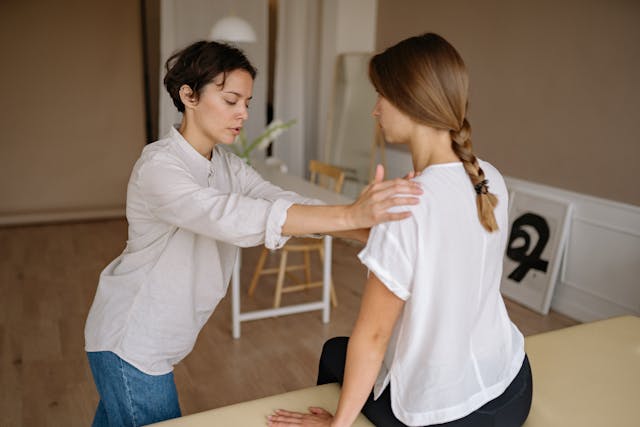
How Osteopathy Supports Post-Natal Recovery
Osteopathy focuses on the relationship between the body’s structure and its overall function. For new mothers, treatment is tailored to support healing, improve movement, and ease physical strain in a safe and considered way.
Key benefits of post-natal osteopathic care may include:
- Restoring Pelvic and Spinal Alignment: Pregnancy and birth can alter pelvic positioning and spinal mechanics. Osteopathic techniques aim to gently improve alignment and mobility, reducing strain on surrounding muscles and joints.
- Relieving Muscle Tension: Feeding, lifting, and rocking a baby can lead to tight shoulders, neck pain, and upper back discomfort. Hands-on treatment helps release tension and improve posture.
- Supporting Core Recovery: Osteopaths assess abdominal and pelvic floor function, helping guide the body’s return to strength and stability following childbirth.
- Improving Circulation and Recovery: By encouraging better movement and reducing restrictions, osteopathy can assist circulation and promote natural healing processes.
- Gentle, Individualised Care for New Mothers: One of the strengths of osteopathy is its adaptability. Post-natal care is always approached gently, with techniques chosen based on how recently you’ve given birth, your delivery experience, and how your body is coping day to day.
Treatment sessions often include advice on posture, safe lifting, feeding positions, and simple exercises that can be incorporated into daily routines — practical support that fits around the realities of caring for a newborn.
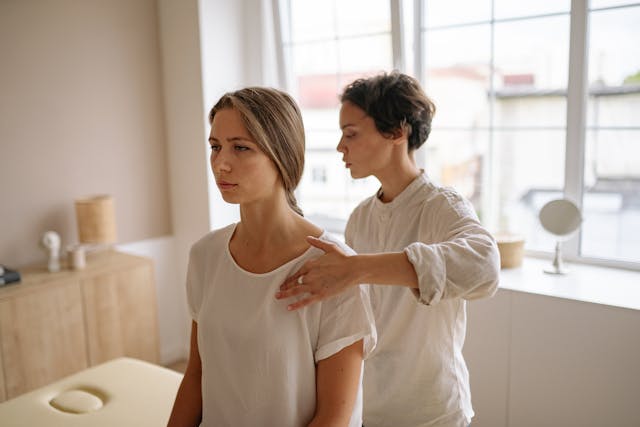
When Should You Consider Osteopathy After Birth?
There’s no “perfect” time to begin post-natal osteopathic care. Some women seek support within weeks of delivery, while others wait until persistent discomfort becomes noticeable.If pain, stiffness, or reduced mobility is affecting your comfort or confidence, it may be time to explore professional support.
Osteopathy can be especially helpful if:
- Pain is limiting daily activities
- Discomfort hasn’t improved with rest
- You’re preparing to return to work or exercise
- You want proactive support for long-term recovery
Supporting Your Body as You Adjust to Motherhood
Post-natal recovery is not a race — it’s a gradual process of healing and adjustment. Osteopathy offers a supportive, whole-body approach that recognises the physical demands of motherhood and the importance of caring for yourself during this transition.
By addressing underlying imbalances and easing strain, osteopathic care can help new mothers move more comfortably, recover more confidently, and focus on what matters most — enjoying life with their growing family.