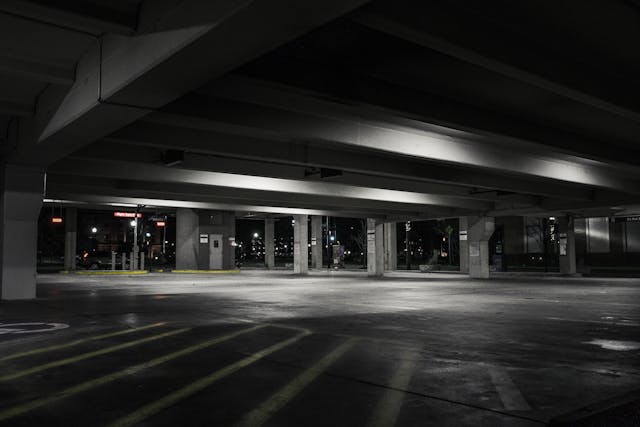
Concrete is a common construction material that is used in the world, and its high strength, durability, and flexibility are some of the attributes that have made it a common construction material. In residential buildings and commercial buildings, roads and infrastructure, concrete has a significant role to play in the forming of contemporary environments. It is a reliable material in limitless applications because of its resistance to heavy loads, weather, and longevity. Concrete offers a solid base when well designed and installed, which can sustain safety, functionality as well as long performance.
Structural Strength: Designed to Support Intensive Requirements.
Concrete has one of the greatest benefits in that it is very strong structural-wise. After the cure, concrete is capable of long weight and pressure, and thus, it is suitable in foundations, slabs, columns and structures handling loads. The compressive strength of it enables buildings and other infrastructures to stand firm despite continuous stress and exposure to the environment.
Concrete is further strengthened by reinforced concrete, which is concrete mixed with steel reinforcement, and this gives the applicants more strength and flexibility. Such combination prevents cracking, movement and structural failure with time. This has seen concrete penrith being extensively utilized in small residential construction and in large-scale commercial and industrial construction where a high degree of reliability and safety is required.
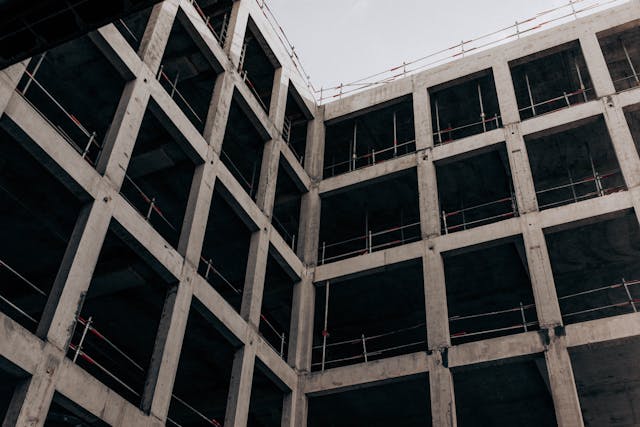
Flexibility in Design: Will Fit Any Application.
Concrete has an incredible amount of flexibility that it can be shaped, formed, and refined to meet a vast variety of designs and needs. It is pourable into custom shapes, textured, polished or even coloured to produce varying aesthetic effects. Concrete is easily adapted to the needs of architecture or even landscaping as seen in smooth modern and in decorative stamped patterns.
It is flexible and can be used in driveways, pathways, patios, floors, walls, and ornamental characteristics. Other materials that can be used to make concrete to form attractive and practical spaces include stone, wooden or metal. Such flexibility guarantees that concrete can be used to conform to the structural demands, as well as, to meet design choices.
Durability and Longevity: A Long Investment.
Concrete is said to have a long life span and it does not demand a lot of maintenance. Well-constructed and well-maintained concrete structures can be decades old and require only few repairs. It is weather resistant, fire resistant, moisture resistant, pest resistant and is therefore a good option in different kinds of climates and conditions.
Routine maintenance like sealing and light repairs can be used to maintain the performance and appearance of concrete with time. This benefits it as it does not have to be replaced too often and can be used on construction projects with a long term benefit. This strength, resilience and longevity are combined to enable concrete to be a reliable investment whether in residential or commercial purposes.